Preschool is much more than a place where children learn letters, numbers and basic concepts. It is also an important stage for developing independence and life skills that children can use in everyday situations. From putting away their belongings to communicating with others, preschool gives children opportunities to make choices, solve simple problems and take responsibility for age-appropriate tasks. A supportive preschool environment can help children gradually become more confident and independent.
Learning Through Everyday Routines
Daily routines are an important part of developing preschool life skills. Children learn to follow simple routines such as washing their hands, eating meals, putting away toys and preparing for different activities.
Building Responsibility
When children are encouraged to complete small tasks on their own, they begin to understand responsibility. Even simple actions, such as keeping their belongings in the right place or cleaning up after an activity, can help children develop good habits.
These routines should be introduced with patience rather than pressure, allowing children to learn at their own pace.
Encouraging Children to Make Choices
Preschool can provide children with opportunities to make simple, age-appropriate choices. For example, a child might choose an activity, select a colour for an art project or decide which toy to use during free play.
Making small decisions helps children understand that their choices have consequences and gradually builds confidence in their own abilities.
Developing Social and Communication Skills
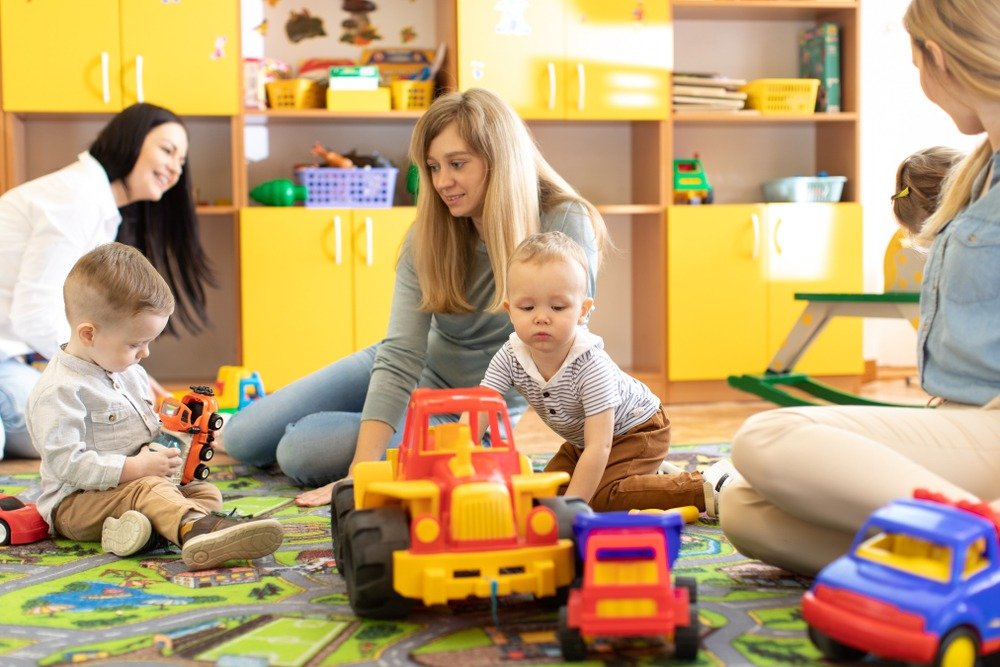
Learning to interact with other children is another important part of independence in preschool children. Group activities teach children how to share, take turns, listen to others and express their thoughts.
Learning to Solve Simple Problems
Children may encounter everyday challenges, such as deciding how to complete an activity or resolving a disagreement over a toy. With appropriate guidance from teachers, they can learn to think about possible solutions instead of always depending on adults.
These experiences support communication, cooperation and early problem-solving abilities.
Building Confidence Through Activities
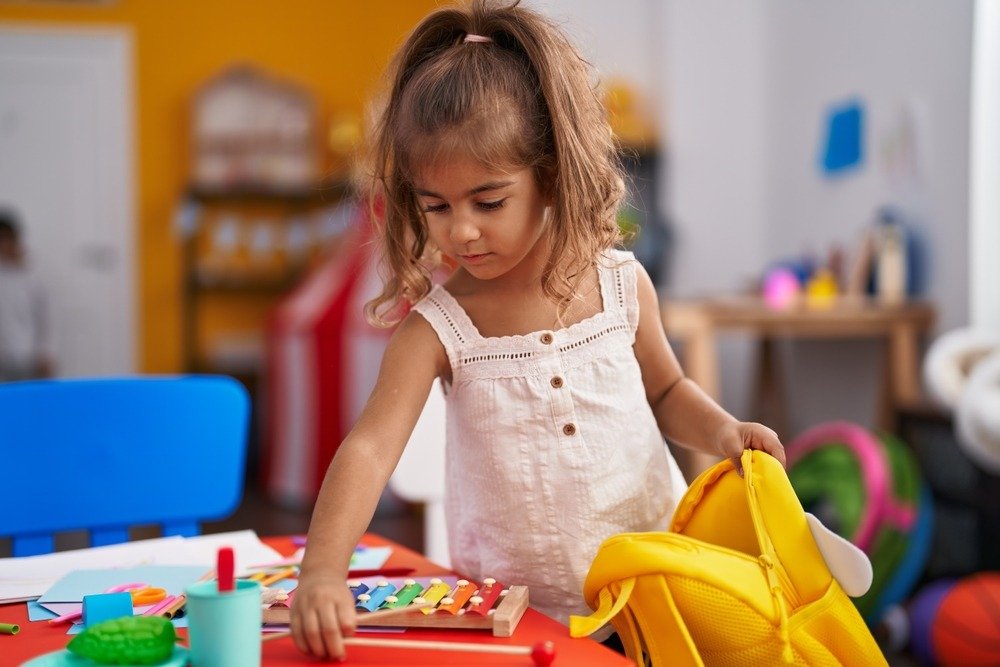
Creative and physical activities can also contribute to children’s independence. Drawing, building, puzzles, storytelling, music and outdoor play allow children to experiment, make decisions and learn from their experiences.
When children successfully complete an age-appropriate task, they develop a sense of achievement. This can encourage them to try new activities and become more comfortable with challenges.
How Duscha Supports Life Skills Development
At Duscha, children experience a nurturing learning environment designed to support holistic development. Through its Montessori-based approach, children get opportunities to explore, participate and develop age-appropriate skills through engaging activities. Programs such as Playgroup and Nursery provide an environment where children can gradually build confidence, independence, communication and social skills alongside early academic development.
Conclusion
Developing life skills for preschoolers takes time and consistent encouragement. Preschool can provide children with everyday opportunities to make choices, follow routines, communicate, solve simple problems and take responsibility. These experiences can help children become more confident and prepared for future learning. With support from parents and teachers, small steps toward independence can create valuable habits that continue as children grow.