Reading is an important part of early childhood learning. It introduces children to new words, stories, ideas and experiences while encouraging imagination and curiosity. However, young children do not need to learn to read independently at an early age to benefit from books. Parents can begin by reading aloud, looking at pictures together and making stories part of everyday life. With patience and encouragement, families can help develop early reading habits in preschool children and create positive associations with books.
Start With Picture Books and Simple Stories
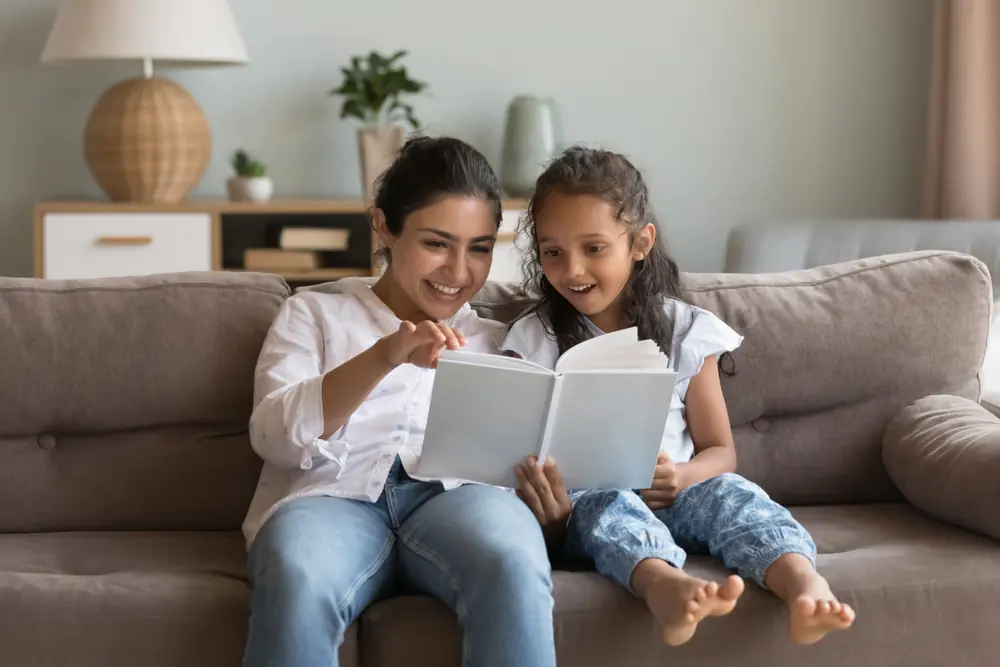
Picture books are a wonderful way to introduce young children to reading. Colourful illustrations, familiar objects and simple storylines help children connect words with what they see.
Choose age-appropriate books about animals, family, nature or everyday experiences. Allow your child to turn the pages, point at pictures and ask questions.
Make Storytime Interactive
Instead of simply reading every sentence, pause occasionally and ask questions such as, “What do you think the animal is doing?” or “What might happen next?”
Encourage your child to describe the pictures in their own words. This makes storytime engaging and supports vocabulary development, listening skills and imagination.
Create a Daily Reading Routine
Children become familiar with activities when they are part of a regular routine. Set aside a few minutes each day for reading together.
You could read a short story before bedtime, after an afternoon nap or during a quiet period at home. Choose a time when your child feels relaxed and interested.
Consistency matters more than the length of the session. Even a short, enjoyable reading experience can help children become comfortable with books over time.
Let Your Child Choose Their Books
Children are often more interested in reading when they can choose what they want to explore. Offer a small selection of books and let your child pick a favourite.
Some children may prefer animal stories, while others enjoy rhymes, vehicles or fairy tales. Re-reading the same book is also perfectly normal. Familiar stories allow children to notice new details and remember repeated words.
Keep books within your child’s reach so they can explore them independently whenever they feel curious.
Introduce Fun Early Literacy Activities
Reading can extend beyond storybooks. Simple games and activities can help children become familiar with sounds, letters and words.
Try These Activities at Home
Picture naming: Look through a picture book and ask your child to name familiar objects, animals or foods.
Nursery rhymes: Sing rhymes together and encourage your child to repeat familiar words and sounds.
Letter spotting: Look for the first letter of your child’s name on book covers, signs or labels.
Story sequencing: After reading a short story, discuss what happened first, next and last.
Pretend reading: Let your child tell a story by describing pictures, even if they cannot read the printed words.
These activities introduce early literacy skills through play without putting pressure on children to read before they are ready.
Make Books Part of Everyday Life
Parents can encourage reading by showing children how written words are used in daily activities. Read simple labels, explore picture menus, look at greeting cards or share a shopping list.
Talk about the words you see and explain their meaning in simple language. Visit a library or browse a children’s bookshop together when possible.
These experiences help children understand that books and written language are useful, interesting parts of everyday life.
How Duscha Encourages Early Reading
At Duscha Preschool, a nurturing, Montessori-based learning environment can support children’s natural curiosity through stories, language activities and hands-on exploration. Engaging with books, listening to stories and communicating with others can help children develop vocabulary, attention and a positive attitude towards learning. When children are encouraged to explore language at their own pace, they can gradually build confidence in their communication and early literacy skills.
Conclusion
Developing early reading habits does not require formal lessons or expensive materials. Picture books, daily storytime, playful language activities and opportunities to explore books independently can make reading an enjoyable experience for preschool children.
Most importantly, follow your child’s interests, celebrate their curiosity and avoid turning reading into a test. With regular encouragement at home and supportive early learning experiences, children can gradually develop a lasting interest in books and stories.