Starting preschool is a big milestone for both children and parents. Many parents wonder, “What should a 3-year-old know before starting preschool?” The good news is that children do not need to master reading, writing or advanced mathematics before joining preschool. At this age, the focus should be on developing basic communication, independence, social skills and confidence. Preparing your child with these everyday skills can make the transition to preschool more comfortable and enjoyable.
Basic Communication Skills
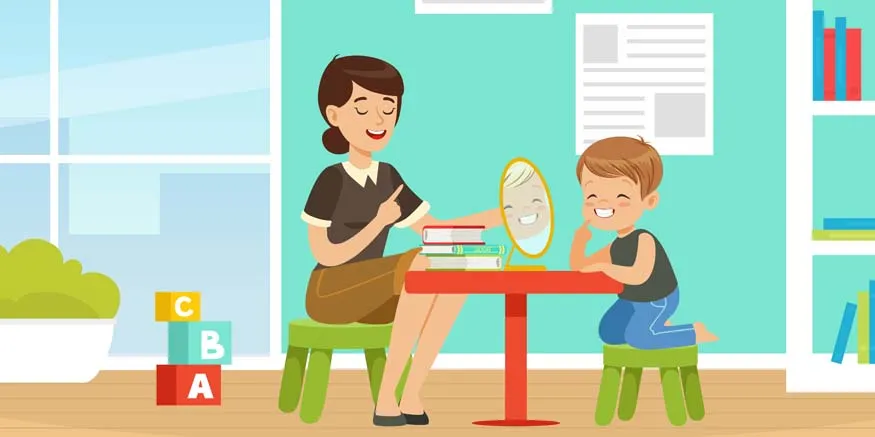
Communication is one of the most important preschool readiness skills for a 3-year-old. Children should gradually learn to express their basic needs, feelings and ideas using words or simple sentences.
Your child can practice saying when they are hungry, thirsty, tired or need help. Listening to short instructions and responding to simple questions can also help children participate more comfortably in classroom activities.
Encourage Everyday Conversations
Parents can support language development by talking to their child regularly, reading simple stories together and asking questions about pictures, toys or daily activities.
Early Independence and Self-Care
A 3-year-old does not need to be completely independent before starting preschool. However, developing simple self-care habits can make daily routines easier.
Children can gradually practice:
- Washing and drying their hands
- Eating and drinking independently
- Putting away toys
- Trying to wear or remove simple clothing
- Telling an adult when they need help
These small steps can encourage confidence and independence.
Social and Emotional Readiness
Preschool involves spending time with teachers and other children, so basic social skills are valuable. Children can practice sharing toys, taking turns and participating in simple group activities.
Learning to Manage Feelings
Three-year-olds are still learning how to manage emotions. Parents can help by teaching children to name feelings such as happy, sad, angry or worried. Learning simple ways to communicate emotions can help children handle new situations more comfortably.
Basic Learning and Following Instructions
Parents do not need to pressure a child to read or write before preschool. Instead, focus on curiosity and basic concepts.
A 3-year-old can gradually become familiar with colours, shapes, numbers, letters, simple puzzles, rhymes and picture books. More importantly, children should have opportunities to listen to instructions and complete simple age-appropriate tasks.
How Parents Can Prepare Their Child
Preparing a child for preschool can begin through everyday routines. Parents can establish regular sleeping and meal times, encourage independent play and introduce short activities that require listening and concentration.
At Duscha, children learn through a nurturing and engaging environment that supports holistic development. Its Montessori-based approach encourages children to explore, participate and develop skills according to their individual stage of learning.
Conclusion
Knowing what a 3-year-old should know before starting preschool is less about academic achievement and more about readiness for a new environment. Communication, self-care, social interaction, emotional awareness and curiosity can help children make a positive start. With patience, encouragement and a supportive preschool environment, children can gradually develop the skills they need to enjoy their early learning journey.