Starting preschool is an exciting milestone, but many parents wonder whether their child is truly ready for this new experience. Preschool readiness is not about knowing the alphabet or counting to a certain number. It is about developing everyday skills that help children communicate, interact, follow routines and feel comfortable in a new environment. Here are ten signs that may indicate your child is ready to begin their preschool journey.
1. Your Child Can Communicate Basic Needs
A child who can communicate when they are hungry, thirsty, tired, uncomfortable or need help may find it easier to participate in preschool activities. Communication does not have to be perfect; being able to express basic needs is an important step.
2. They Can Follow Simple Instructions
Preschool involves everyday instructions such as putting toys away, sitting for an activity or washing hands. If your child can understand and follow simple instructions, they may be developing an important preschool readiness skill.
3. They Show Interest in Other Children
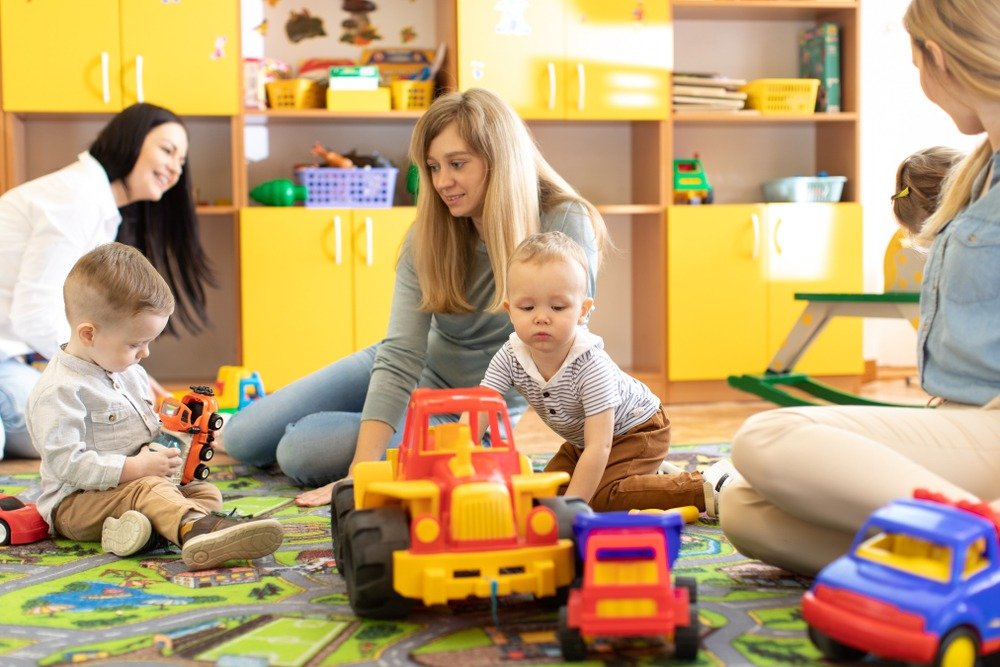
Children do not need to be extremely social before starting school. However, showing curiosity about other children, watching them play or attempting to interact can indicate growing social readiness.
Learning to Share and Take Turns
Simple experiences of sharing toys and taking turns can help children become more comfortable participating in group activities.
4. They Can Manage Short Separations
Being away from parents for a short period can be challenging at first. If your child can gradually stay with a trusted adult without becoming extremely distressed, they may be becoming ready for a preschool environment.
5. They Show Some Independence
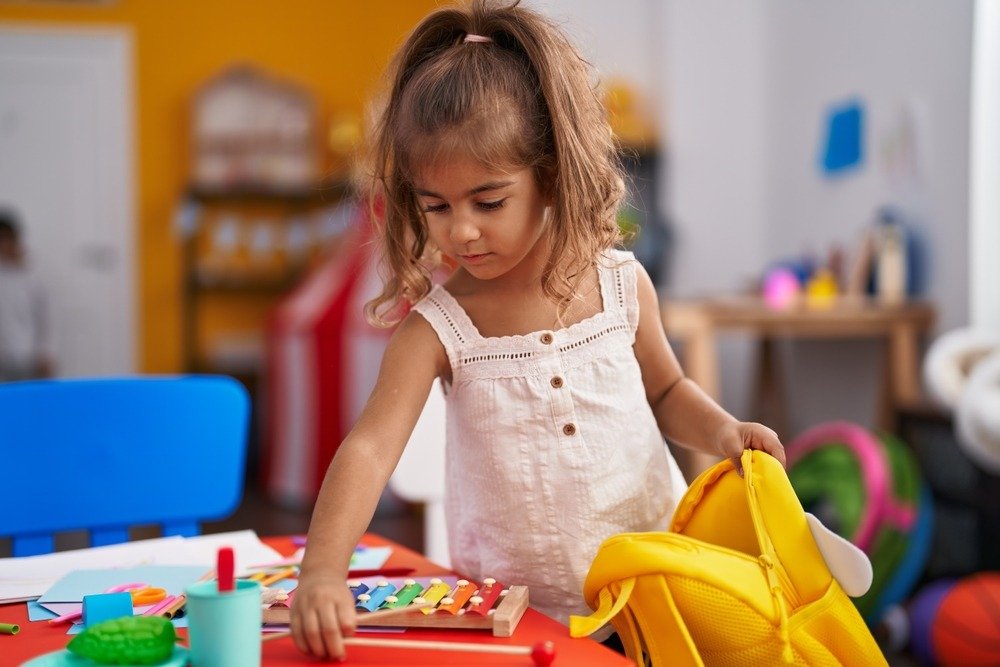
Your child may try to eat independently, put toys away, wash their hands or attempt simple tasks without immediate help. These small actions demonstrate developing independence.
6. They Can Express Basic Emotions
Children who can communicate feelings such as happiness, sadness, anger or fear are developing emotional awareness. This can help teachers understand and support them during their preschool experience.
7. They Enjoy Exploring New Activities
Curiosity is an important part of early learning. If your child enjoys exploring books, puzzles, drawing, building or other activities, they may be ready to discover new experiences at preschool.
8. They Can Participate in Simple Routines
Following familiar routines such as mealtimes, playtime and bedtime helps children understand that different activities happen at different times. Preschool introduces similar routines in a group setting.
9. They Can Focus on an Activity for a Short Time
Three-year-olds naturally have short attention spans. Being able to listen to a short story, complete a simple puzzle or participate in an activity for a few minutes can be a positive sign of growing readiness.
10. They Are Curious About School
Perhaps the simplest sign is genuine curiosity. If your child asks questions about school, enjoys talking about other children or shows interest in learning new things, they may be ready to take the next step.
How Duscha Supports Preschool Readiness
At Duscha, children are introduced to learning through a nurturing and engaging environment. Its Montessori-based approach encourages exploration, participation and age-appropriate development. Through Playgroup, Nursery and other early-learning programs, children can gradually develop communication, independence, social skills and confidence.
Conclusion
There is no single checklist that determines whether a child is ready for preschool. Every child develops at a different pace. Look for growing communication, independence, social interaction, emotional awareness and curiosity rather than expecting academic skills. With patient preparation and a supportive preschool environment, your child can take their first steps into school with greater confidence.