Play is more than just fun for children; it is one of the most powerful ways they learn and grow. In early childhood education, play-based learning has become an essential teaching method because it supports emotional, social, physical, and cognitive development in young children.
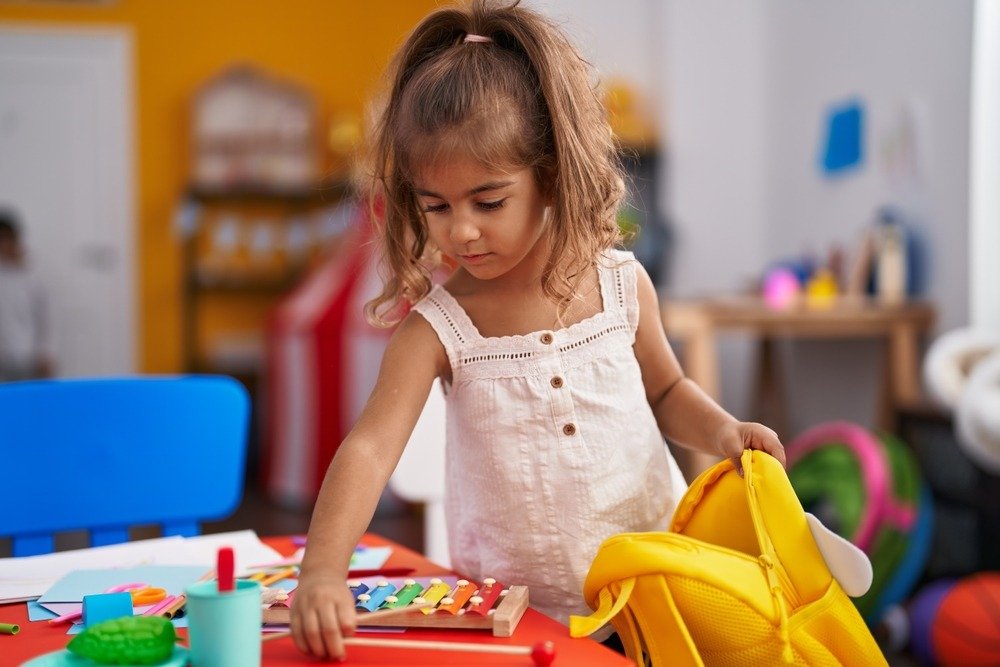
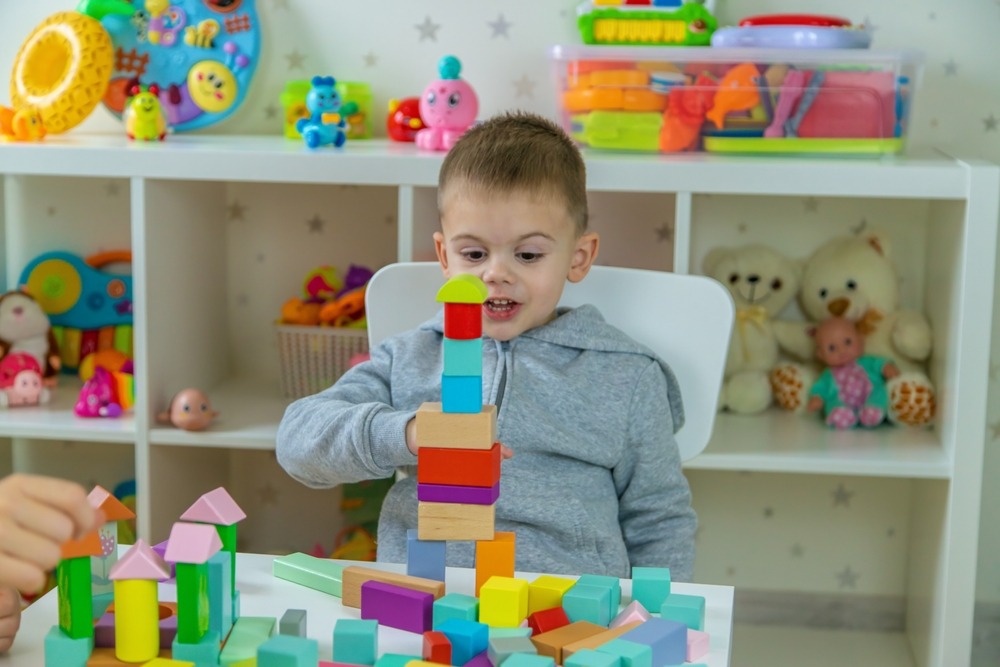
Play-based learning allows children to explore the world around them naturally. Instead of memorizing information, children learn through hands-on experiences, creativity, and interaction. Activities such as storytelling, building blocks, drawing, pretend play, and group games help develop problem-solving and communication skills.
One of the biggest benefits of play-based learning is improved social development. When children play together, they learn how to share, cooperate, and communicate effectively. These social skills help them build friendships and confidence from an early age.
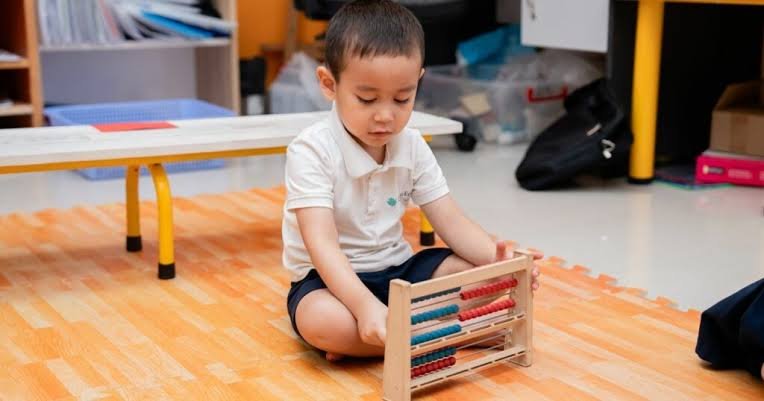
Play also enhances cognitive development. Activities like puzzles, role-playing, and creative games encourage children to think critically and make decisions. Through play, children develop curiosity and a love for learning, which is essential for future academic success.
Emotional growth is another important advantage. During play, children learn how to express feelings, handle challenges, and manage emotions. This helps them build emotional intelligence and self-confidence in a supportive environment.
Physical development is equally important in play-based learning. Running, jumping, climbing, and dancing improve motor skills, balance, and coordination. Active play keeps children healthy while supporting brain development.
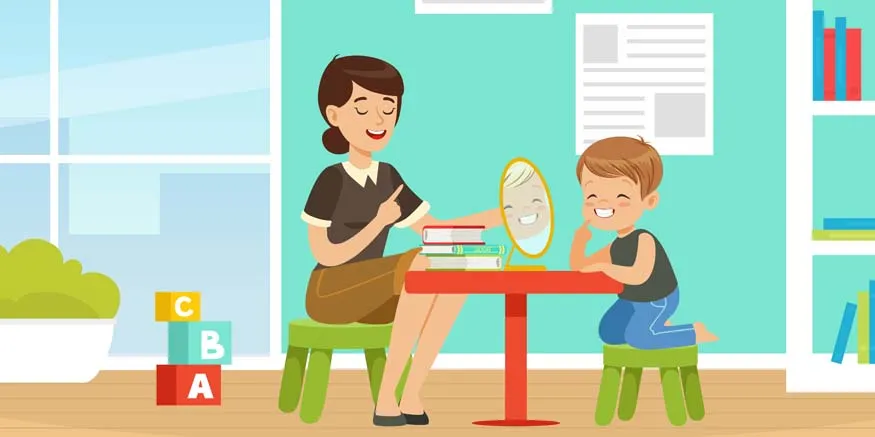
Language and communication skills also improve through interactive play. Storytelling, singing, and group discussions help children expand vocabulary and improve listening skills. Children naturally learn to express themselves more clearly while engaging with others.
Play-based learning encourages creativity and imagination. Pretend play activities allow children to think independently and explore new ideas. Creativity developed during early childhood often supports innovation and confidence later in life.
Parents and teachers both play an important role in creating a positive play-based environment. Providing safe spaces, educational toys, and engaging activities can make learning enjoyable for children. Modern preschools focus heavily on play-based education because it creates a stress-free learning atmosphere.
Research shows that children learn better when they are actively engaged and emotionally connected to activities. Play-based learning keeps children motivated while making education enjoyable and meaningful. Unlike traditional teaching methods, it allows children to learn at their own pace.
In today’s fast-changing world, skills such as communication, creativity, teamwork, and critical thinking are more important than ever. Play-based learning helps children develop these skills naturally from an early age.
Early childhood education should not only focus on academics but also on overall child development. Play-based learning creates a balanced foundation that supports intellectual, emotional, and social growth.
For parents searching for the best preschool or daycare, choosing a school that emphasizes play-based learning can make a significant difference in their child’s development. A happy learning environment helps children become confident, curious, and lifelong learners.