Daycare plays a major role in the early development of children, especially when it comes to building social skills. In today’s busy world, many parents choose daycare centers not only for supervision but also for the overall growth and development of their children. A quality daycare environment helps children learn how to interact, communicate, and build relationships from an early age.
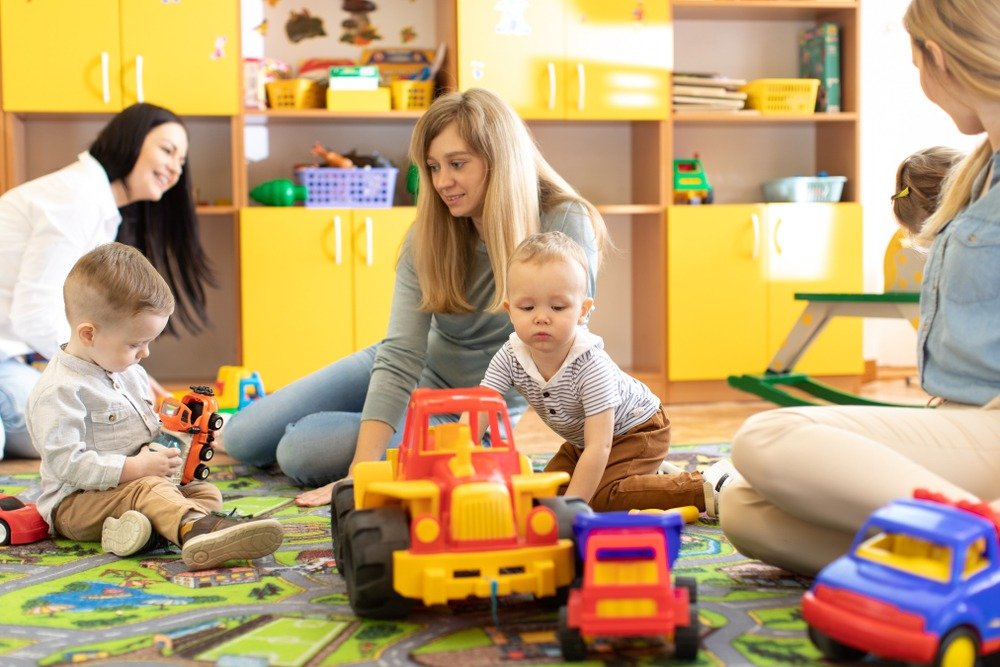
One of the biggest benefits of daycare is regular interaction with other children. At home, children usually spend most of their time with family members, but daycare introduces them to a group environment. This exposure helps children understand sharing, teamwork, and cooperation naturally through daily activities and play.
Communication skills improve significantly in daycare settings. Children learn how to express their thoughts, ask questions, and listen to others. Group activities like storytelling, singing, and role-playing encourage children to communicate confidently and comfortably with peers and teachers.
Daycare also helps children develop emotional intelligence. Young children experience different emotions such as excitement, frustration, happiness, and disappointment while interacting with others. Teachers guide them on how to manage emotions positively and respond to different social situations appropriately.
Another important aspect of daycare is learning discipline and routines. Children become familiar with structured schedules that include playtime, meals, learning activities, and rest periods. Following routines teaches responsibility, patience, and time management skills from an early age.
Confidence building is another key advantage. Children who participate in group activities gradually become more independent and self-assured. They learn to make friends, solve simple conflicts, and adapt to new situations without fear. These experiences prepare them for preschool and formal schooling later.
Play-based learning activities in daycare also encourage teamwork and collaboration. Whether children are building blocks together or participating in creative games, they learn how to cooperate and support one another. Such activities strengthen leadership and social interaction skills.
Daycare environments expose children to diversity as well. They meet children from different backgrounds, personalities, and habits, helping them develop empathy and respect for others. This exposure plays an important role in shaping positive social behavior.
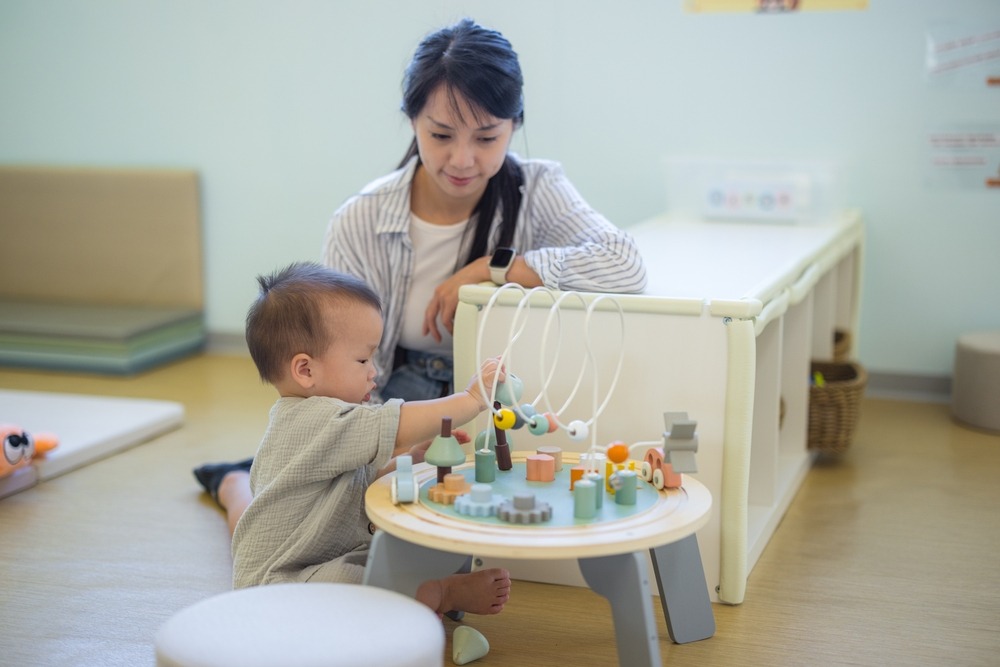
Teachers and caregivers also contribute significantly to social development. Professional daycare staff encourage positive interactions and create a safe environment where children feel comfortable expressing themselves. Their guidance helps children improve behavior and communication naturally.
Parents often notice that children attending daycare become more active, independent, and socially comfortable. They are more willing to participate in conversations, activities, and group settings. These social skills continue to benefit children throughout school life and beyond.
Choosing the right daycare center is extremely important for parents. A safe, nurturing, and engaging environment with trained caregivers can positively influence a child’s emotional and social growth. Parents should look for daycare centers that focus on play-based learning, communication, and child development activities.
In conclusion, daycare is much more than a childcare service. It is an important step in helping children build confidence, communication abilities, emotional understanding, and social skills. Early social development creates a strong foundation that supports lifelong learning and successful relationships.