In today’s digital world, children are exposed to screens from a very early age. Smartphones, tablets, televisions, and digital devices have become a part of daily life, making it challenging for parents to maintain a healthy balance between screen time and play time for preschoolers. While technology can offer educational benefits, excessive screen exposure may affect a child’s physical, emotional, and social development. Finding the right balance is essential for healthy early childhood growth.
Screen time can be useful when used wisely. Educational cartoons, interactive learning apps, and digital storytelling can help children improve vocabulary, creativity, and basic learning skills. Many educational platforms are designed to make learning engaging and entertaining for preschoolers. However, too much screen exposure can reduce physical activity and limit real-world interaction.
Experts recommend that preschool children should have limited and supervised screen time. Long hours in front of screens can impact sleep patterns, attention span, and communication skills. Children may also become less interested in outdoor activities and social interaction if screen usage is not monitored properly.
Play time, on the other hand, is essential for overall child development. Active play helps children improve physical strength, coordination, and motor skills. Activities such as running, jumping, cycling, dancing, and outdoor games keep children healthy and energetic while supporting brain development.
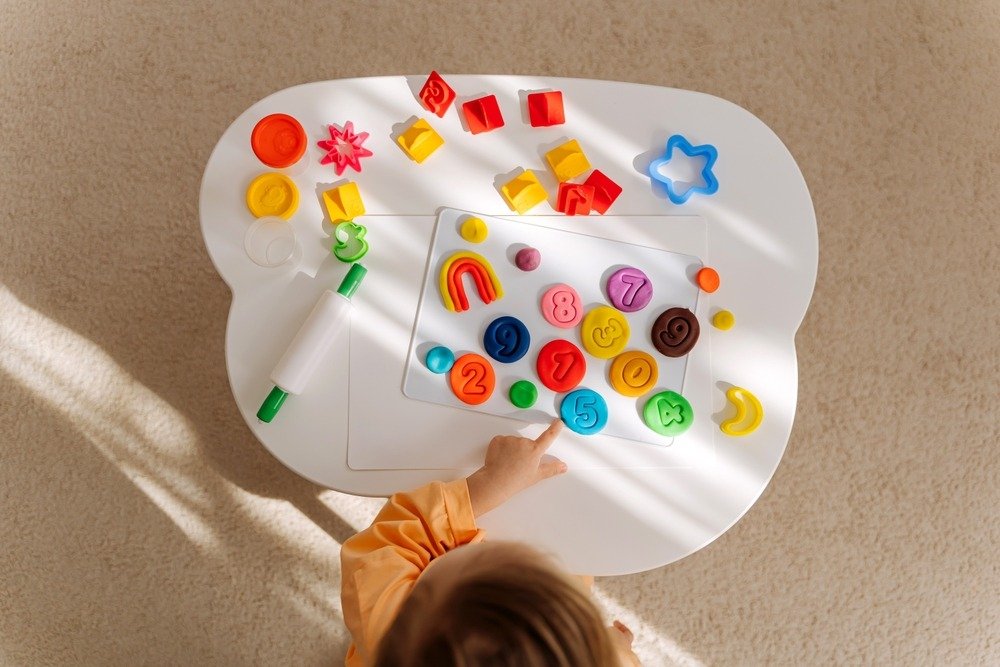
Play-based activities also improve creativity and imagination. Building blocks, drawing, storytelling, pretend play, and puzzles encourage children to think independently and solve problems creatively. These activities stimulate curiosity and help children explore the world around them naturally.
Social development is another major benefit of play time. When children play with friends or family members, they learn teamwork, sharing, communication, and emotional understanding. These social skills are difficult to develop through screen-based activities alone.
Parents play a crucial role in maintaining a healthy balance between screen time and play time. Setting daily limits on digital devices can help children develop healthier habits. Instead of using screens as a constant source of entertainment, parents can encourage interactive and creative activities at home.
Creating a daily routine is one of the most effective ways to balance screen use and physical play. Parents can schedule learning time, outdoor activities, family interaction, and limited digital entertainment throughout the day. Consistency helps children understand boundaries and develop discipline.
It is also important for parents to lead by example. Children often copy adult behavior, so reducing unnecessary mobile phone usage during family time can encourage children to engage in more active play and conversation.
Preschools and daycare centers also support balanced child development through activity-based learning. Many modern preschools focus on creative games, outdoor play, storytelling, music, and hands-on activities instead of excessive screen exposure. Such environments help children develop confidence, communication skills, and emotional intelligence.
Technology should not completely replace traditional play experiences. Instead, screens should be used as a supportive educational tool in moderation. The goal is to create a healthy balance where children can enjoy learning through technology while also participating in physical, creative, and social activities.
In conclusion, both screen time and play time have roles in a child’s development when managed properly. Limited and supervised screen exposure combined with active play creates a balanced lifestyle for preschoolers. Encouraging healthy habits from an early age helps children grow into confident, creative, and socially active individuals.