Preschools play a significant role in shaping not just students, but future citizens. The values, habits, and behaviors children learn during their early years stay with them for life. A good preschool environment helps children grow into responsible, respectful, and confident individuals.
One of the key ways preschools contribute is by teaching basic values such as honesty, kindness, and respect. Through stories, activities, and daily interactions, children learn the importance of treating others with care and understanding.
Preschools also encourage discipline and responsibility. Simple routines like cleaning up after activities, following rules, and completing tasks help children understand accountability. These small habits gradually build a sense of responsibility.
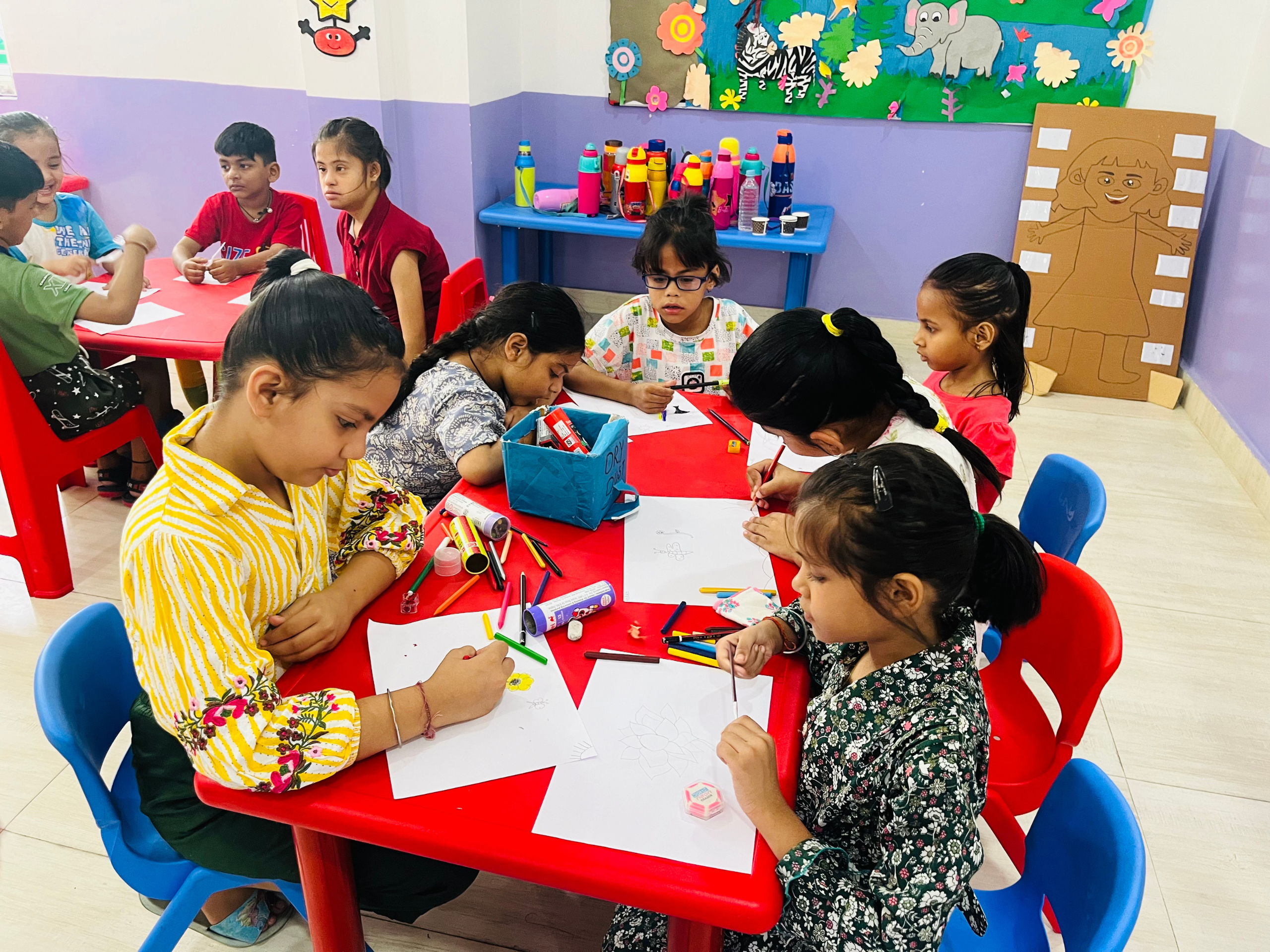
Another important aspect is social awareness. Children learn how to interact with others, respect differences, and work as a team. These experiences help them develop empathy and become more understanding individuals.
Environmental awareness is also introduced at an early stage. Activities like planting trees, saving water, or keeping surroundings clean teach children the importance of caring for the environment.
Preschools also focus on building confidence and leadership skills. Group activities, presentations, and role-playing help children express themselves and take initiative.
Moreover, children are encouraged to think independently and make decisions. This builds critical thinking skills and prepares them to face real-life challenges.
In conclusion, preschools are not just about academics—they are about shaping character. By instilling values, discipline, and social awareness, they help children grow into responsible citizens who contribute positively to society.