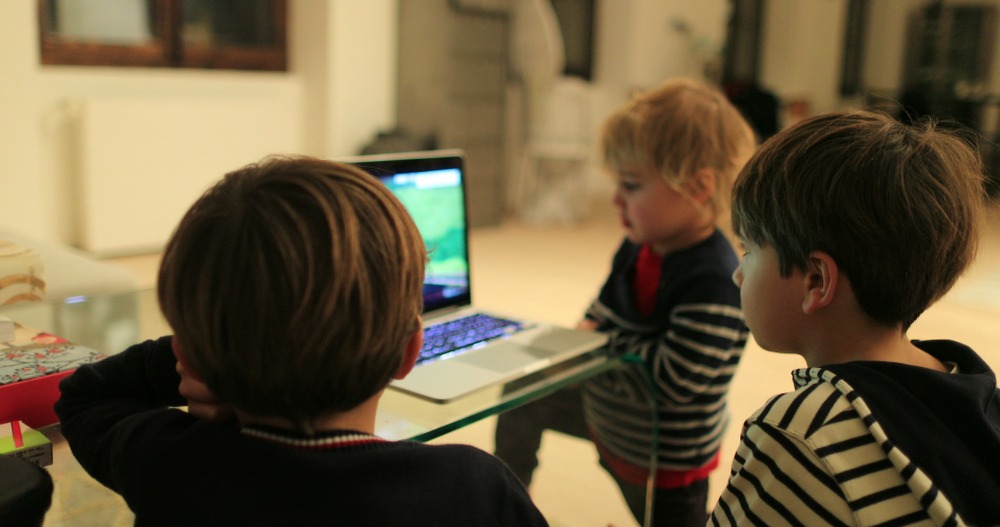
As parents, it’s natural to observe how our child behaves around others. While some children jump straight into play, others prefer watching from a distance. If your child doesn’t mix easily with other kids, you might wonder—Is something wrong? Am I missing something?
Let’s begin with reassurance: this is more common than you think.
Is It Normal for Children to Avoid Socializing?
Yes. Every child has a unique personality and pace of development. Some children are naturally cautious, sensitive, or observant. They may take time to feel safe before opening up.
This doesn’t mean they lack social skills—it simply means they’re still learning them.
Common Reasons Why a Child May Not Mix With Others
Understanding the reason helps parents respond calmly and correctly.
1. Shyness or New Environments
New places, unfamiliar faces, or loud settings can overwhelm young children.
2. Fear of Rejection or Conflict
Some children avoid groups because they don’t know how to join in play or express themselves.
3. Limited Social Exposure
Children who spend more time at home may need guidance when interacting with peers.
4. Strong Emotional Attachment
Children deeply attached to parents may take time adjusting to peer interactions.
What Parents Can Do at Home
✔️ Avoid Forcing Social Interaction
Pushing a child to “go play” often increases anxiety. Gentle encouragement works better.
✔️ Practice Social Skills Through Play
Role-play simple situations like sharing toys or greeting friends.
✔️ Praise Small Efforts
Even standing near other kids or observing play is progress.
✔️ Stay Calm and Patient
Children sense parental stress. Confidence grows when pressure reduces.
How Preschool Plays a Key Role in Social Development
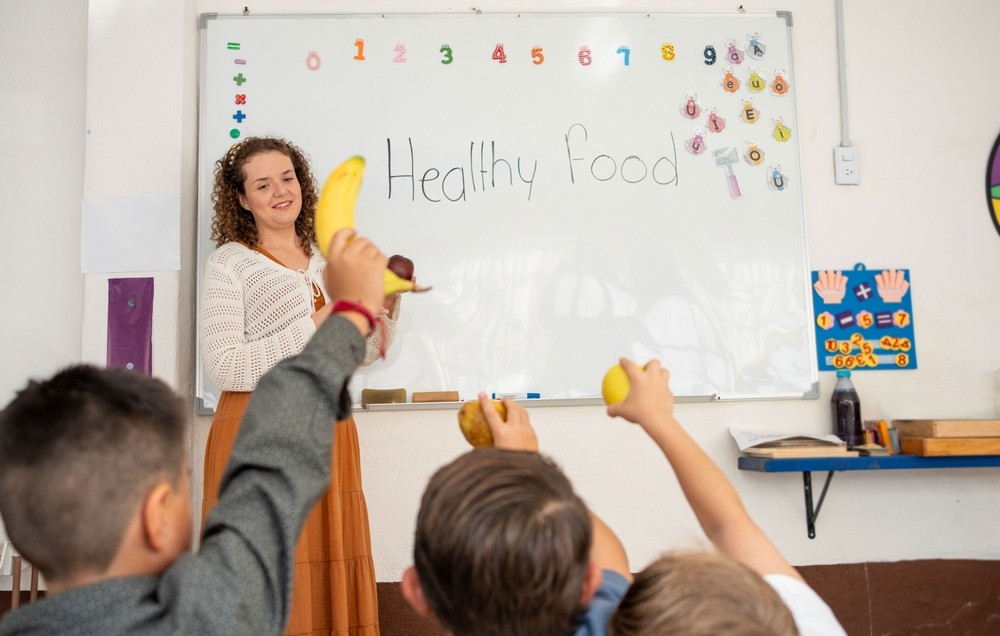
A nurturing preschool environment provides children with safe, guided exposure to social interaction.
At Duscha Preschool, teachers understand that:
- Every child socializes at their own pace
- Confidence grows through comfort, not comparison
How Duscha Teachers Help Children Mix Naturally
🌼 Small Group Activities
Children are introduced to peers in smaller, manageable groups.
🌼 Guided Play
Teachers gently involve children in play without forcing participation.
🌼 Routine & Familiarity
Daily routines make children feel secure, helping them open up naturally.
🌼 Emotional Support
Teachers acknowledge feelings and build trust first—friendships follow.
Over time, children begin to interact, communicate, and form bonds—naturally and happily.
When Should Parents Be Concerned?
If a child consistently avoids interaction, shows extreme fear, or becomes distressed over time, it’s best to consult teachers or child development professionals. Early guidance always helps.
🌱 Final Thoughts for Parents
Every child blooms differently. Social skills are not taught overnight—they are experienced, practiced, and nurtured.
With patience, encouragement, and the right preschool support, children learn to connect, share, and enjoy friendships.