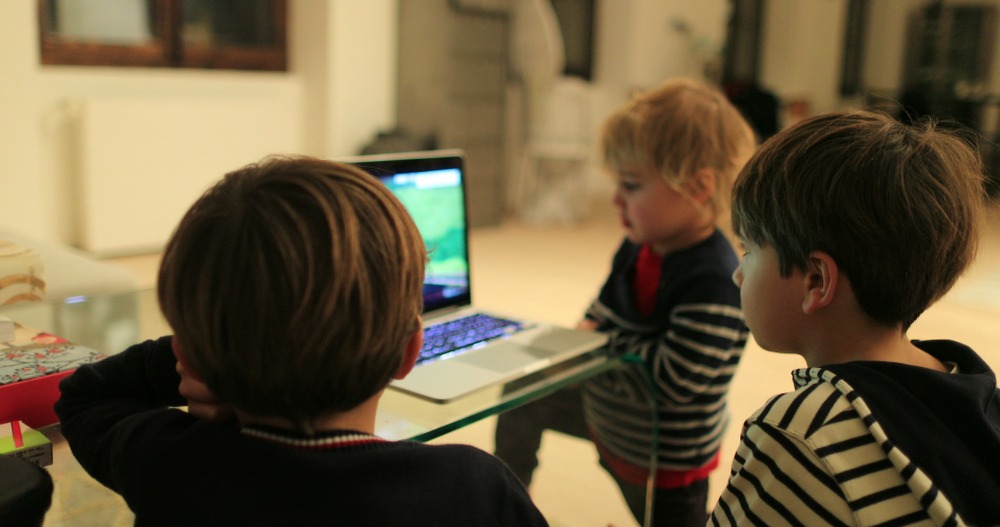
Holidays are meant to be relaxing—for parents and children. But once they end, many families notice a common struggle: screen time has quietly taken over daily routines.
Extra cartoons, mobile games, and videos often sneak in during holidays. And when school resumes, reducing screen time suddenly feels stressful—for both parents and kids.
The good news? Resetting screen habits is possible—and it doesn’t require strict rules or guilt.
Why Screen Time Increases During Holidays
During holidays:
- Daily routines become relaxed
- Parents juggle work, guests, and travel
- Screens act as easy entertainment
- Bedtimes shift later
For young children, screens become a comfort habit, not a bad behavior.
Understanding this helps parents respond calmly.
Why Healthy Screen Limits Matter in Early Childhood
Too much screen time can affect:
- Sleep patterns
- Attention span
- Emotional regulation
- Physical activity
- Social interaction
Balanced screen use, on the other hand, supports learning without replacing play and real-world experiences.
Gentle Ways to Reset Screen Time After Holidays
1. Reduce Gradually, Not Suddenly
Going cold turkey often leads to meltdowns.
Start by:
- Shortening screen time by 10–15 minutes
- Removing screens from morning routines
- Keeping screens off during meals
Small changes feel safer for children.
2. Replace Screens With Engaging Alternatives
Children give up screens more easily when something interesting replaces them.
Try:
- Free play
- Storytelling
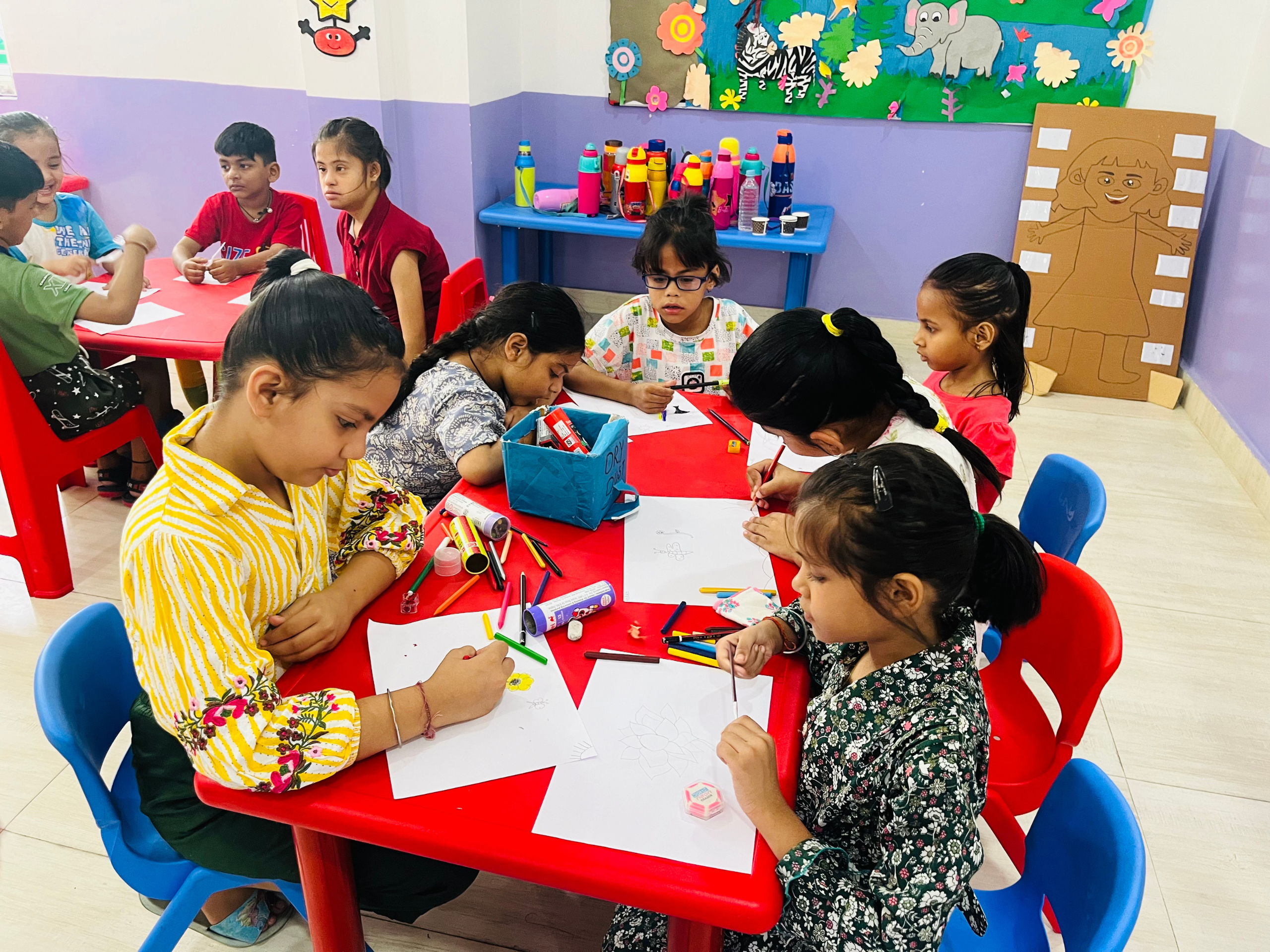
- Drawing and coloring
- Simple puzzles
- Outdoor play
Connection matters more than distraction.
3. Fix Sleep Before Fixing Screens
Late nights increase screen dependency.
Reset bedtime routines with:
- A fixed sleep schedule
- Calming activities before bed
- No screens at least one hour before sleep
Better sleep = better behavior.
4. Be Consistent, Not Perfect
Children test limits. Stay calm and consistent.
Avoid:
- Using screens as rewards
- Giving in during tantrums
Consistency builds trust faster than rules.
How Preschools Support Healthy Screen Habits
Quality preschools like Duscha naturally reduce screen dependence by:
- Offering structured routines
- Encouraging physical and creative play
- Building social interaction
- Keeping screens minimal or absent
Children engaged in meaningful activities don’t miss screens.
How Parents and Schools Can Work Together
When home routines align with school habits:
- Children adjust faster
- Screen dependency naturally reduces
- Focus and behavior improve
Communication between parents and teachers makes transitions smoother.
🌱 Final Thoughts
Screen time after holidays doesn’t mean failure—it means adjustment.
With patience, consistency, and the right support, children return to healthy routines comfortably. Remember, the goal isn’t zero screens—it’s balanced, mindful use.