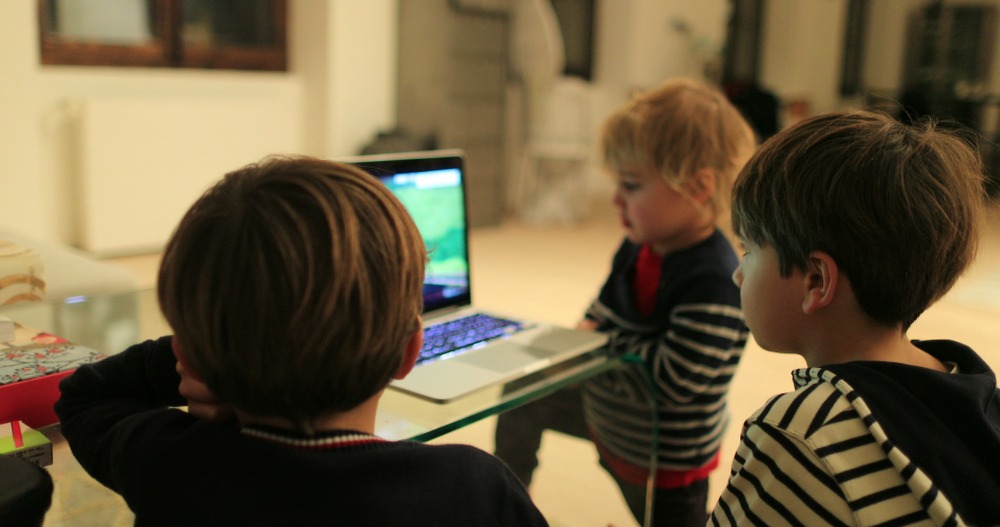
Every parent wants a well-behaved child—but without shouting, threatening, or feeling guilty later. If you’ve ever asked yourself, “Why doesn’t my child listen unless I raise my voice?”, you’re not alone.
Here’s the truth: discipline doesn’t mean strictness. It means teaching—calmly, consistently, and with love.
What Discipline Really Means
Discipline is not about controlling a child; it’s about guiding behavior.
True discipline helps children:
- Understand right from wrong
- Learn self-control
- Respect rules without fear
- Feel emotionally safe
Children don’t misbehave to upset parents—they misbehave because they’re still learning.
Why Strict or Angry Discipline Often Backfires
When discipline comes with anger:
- Children focus on fear, not learning
- They obey temporarily, not internally
- Emotional connection weakens
- Repeated shouting becomes a habit
Over time, children either become anxious or stop listening altogether.
Gentle Ways to Teach Discipline Effectively
1. Be Calm Before Correcting
Children mirror emotions. A calm tone teaches calm behavior.
Instead of: “Stop it right now!”
Try: “I see you’re upset. Let’s fix this together.”
2. Set Clear & Simple Rules
Too many rules confuse children. Keep them short and consistent.
Example:
- Toys stay on the floor
- Hands are for helping, not hitting
Consistency builds discipline faster than strictness.
3. Focus on Choices, Not Orders
Giving choices makes children feel respected.
“Do you want to clean up first or after counting to ten?”
This reduces power struggles and encourages cooperation.
4. Correct Privately, Praise Publicly
Correcting gently avoids embarrassment.
Praising good behavior reinforces discipline naturally.
Children repeat what gets attention.
5. Be a Role Model
Children learn discipline more from watching than listening.
If parents stay calm, respectful, and patient, children follow.
How Teachers Teach Discipline Without Fear
In quality preschools like Duscha, discipline is built into daily routines.
Teachers focus on:
- Structured schedules
- Clear expectations
- Positive reinforcement
- Calm redirection instead of punishment
Children learn discipline through habit, not fear.
How Parents Can Align Home Discipline With School
When school and home follow similar approaches:
- Children feel secure
- Behavior improves faster
- Confusion reduces
Simple routines like fixed meal times, clean-up habits, and polite communication make a big difference.
When Discipline Takes Time—That’s Okay
Discipline is not a one-day lesson. It’s a process.
Progress may look like:
- Fewer tantrums
- Faster calming down
- Better listening
- More empathy
Celebrate small wins—they matter.
🌱 Final Thoughts
You don’t need to be strict or angry to raise a disciplined child. You need patience, consistency, and a willingness to understand.
Discipline taught with love lasts longer than discipline taught with fear.