Early childhood education plays a crucial role in shaping a child’s future. The first few years of life are the most important for brain development, making it the ideal time to introduce structured learning and positive experiences. A strong foundation during these years can influence how a child thinks, learns, and interacts with the world throughout their life.
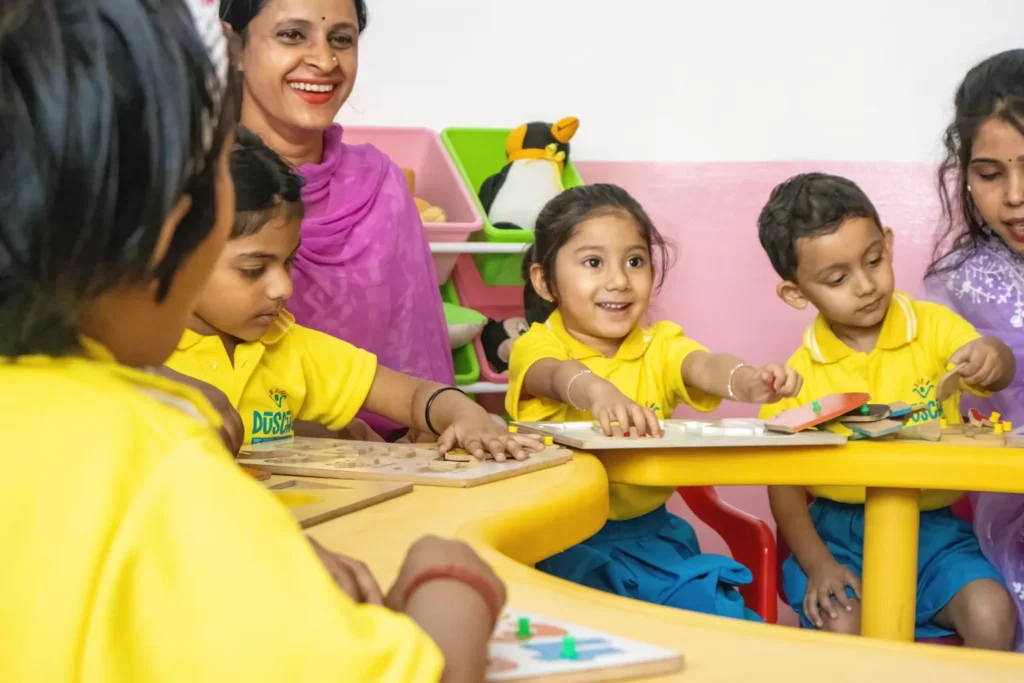
One of the most significant impacts of early education is cognitive development. During preschool years, children are highly curious and eager to explore. Structured learning environments help channel this curiosity into meaningful knowledge. Activities like storytelling, puzzles, and interactive games enhance memory, attention span, and problem-solving skills.
Early education also plays a vital role in language development. Children are exposed to new words, conversations, and expressions every day. This not only improves communication skills but also builds confidence in expressing thoughts and emotions clearly.
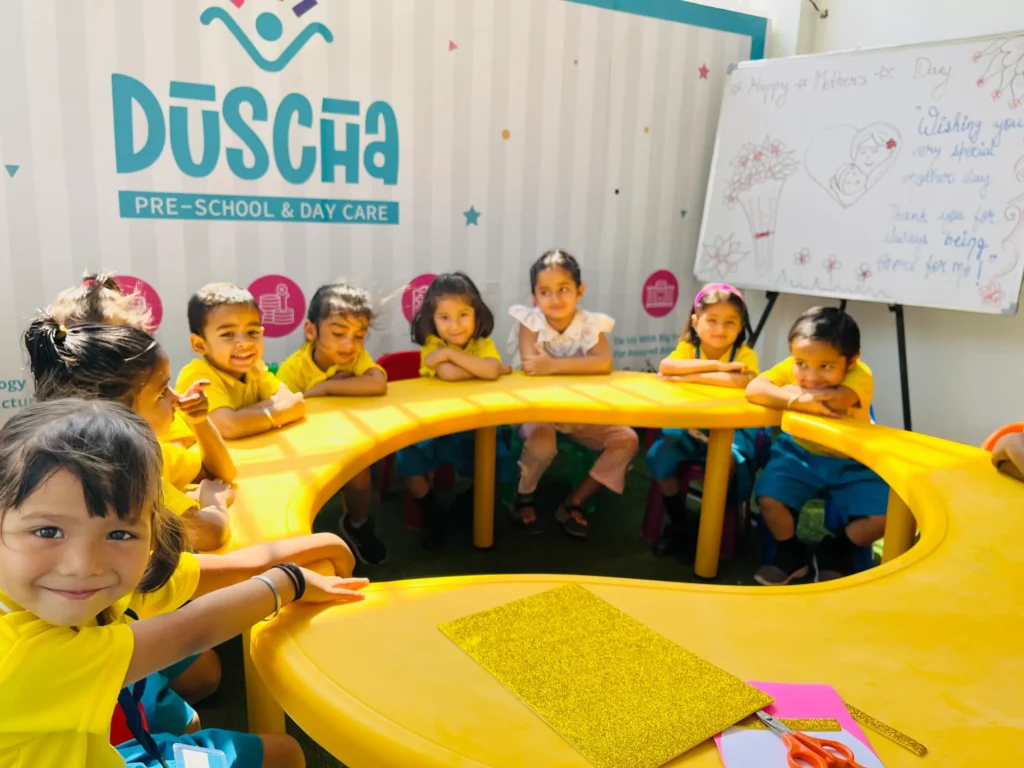
Another important aspect is social and emotional growth. Preschool is often a child’s first experience outside their home environment. Here, they learn how to share, cooperate, and build friendships. These experiences help them understand emotions, develop empathy, and manage social situations effectively.
Moreover, early childhood education instills discipline and routine. Simple habits like following a schedule, completing tasks, and respecting rules help children develop a sense of responsibility. These habits become the foundation for academic success in later years.
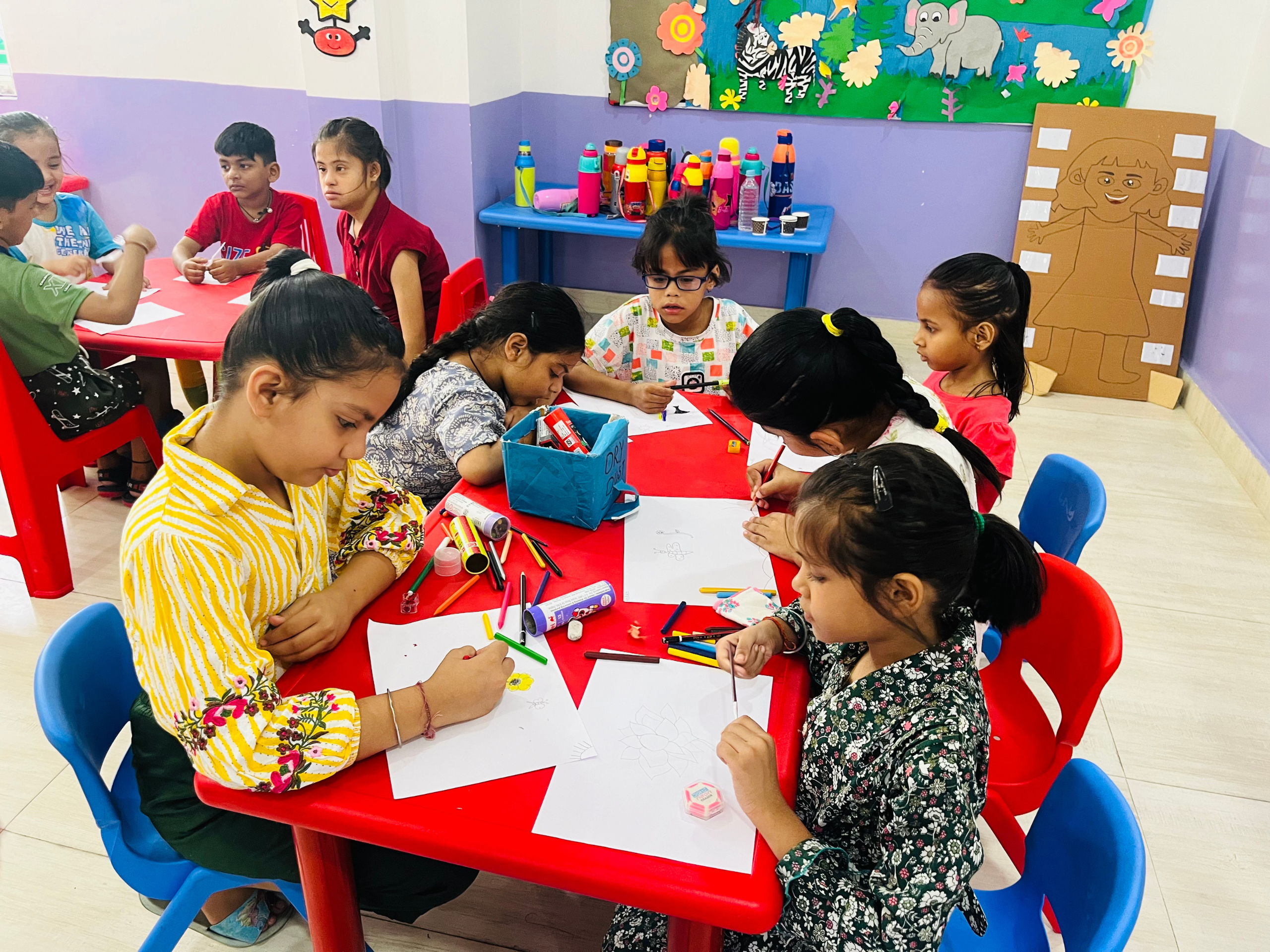
Creativity and imagination are also nurtured during early education. Activities like drawing, music, and role-playing allow children to express themselves freely. This not only enhances creativity but also boosts confidence and emotional well-being.
Importantly, early education fosters a love for learning. When children enjoy learning experiences from a young age, they are more likely to stay motivated and curious throughout their academic journey.
In conclusion, early childhood education is not just about preparing children for school—it’s about preparing them for life. By nurturing cognitive, social, and emotional skills, it creates a strong base for lifelong learning and success.