As parents, we often wonder—Is my child confident enough?
Some children speak freely, while others hesitate, observe quietly, or cling to familiar faces. What many parents don’t realize is that confidence isn’t taught through instructions—it’s built through experiences. This is where preschool activities play a powerful role.
If your child suddenly says, “I don’t want to go to school”, you’re not alone—and no, it doesn’t mean they dislike learning.
Why Confidence Matters in Early Childhood
Confidence helps children:
- Express their needs and feelings
- Try new things without fear
- Interact comfortably with peers
- Develop independence early
The preschool years are the foundation stage where these traits begin to form naturally.
How Preschool Activities Encourage Confidence
1. Group Activities: Teach “I Belong Here.”
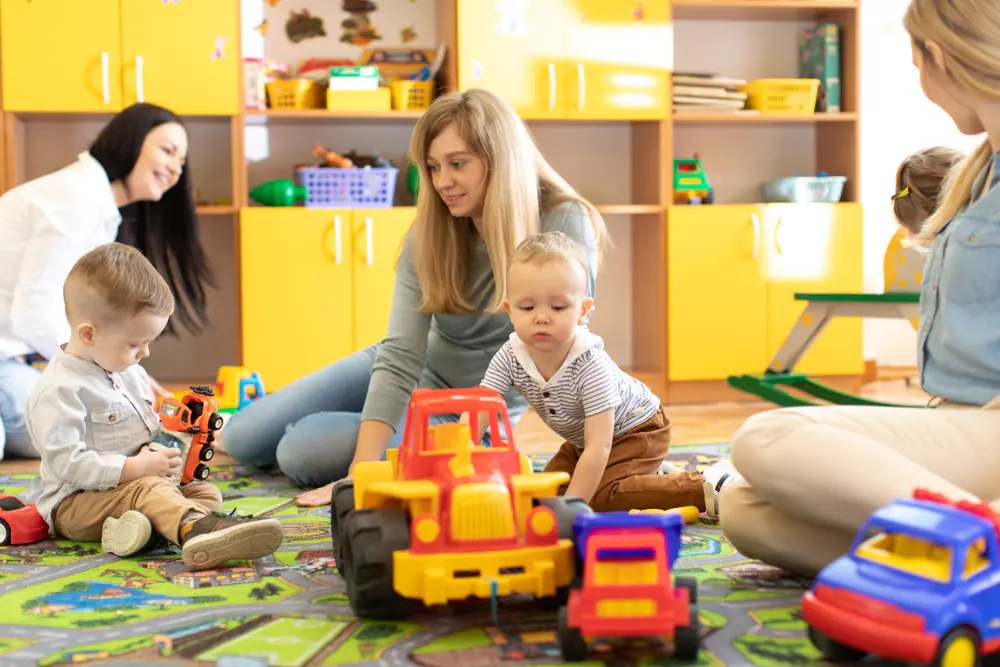
Simple group activities like circle time, music sessions, or team games help children feel included. When a child participates—even by listening at first—they slowly learn that their presence matters.
Result: Reduced fear of social settings and better peer interaction.
2. Art & Craft Activities Build Self-Expression
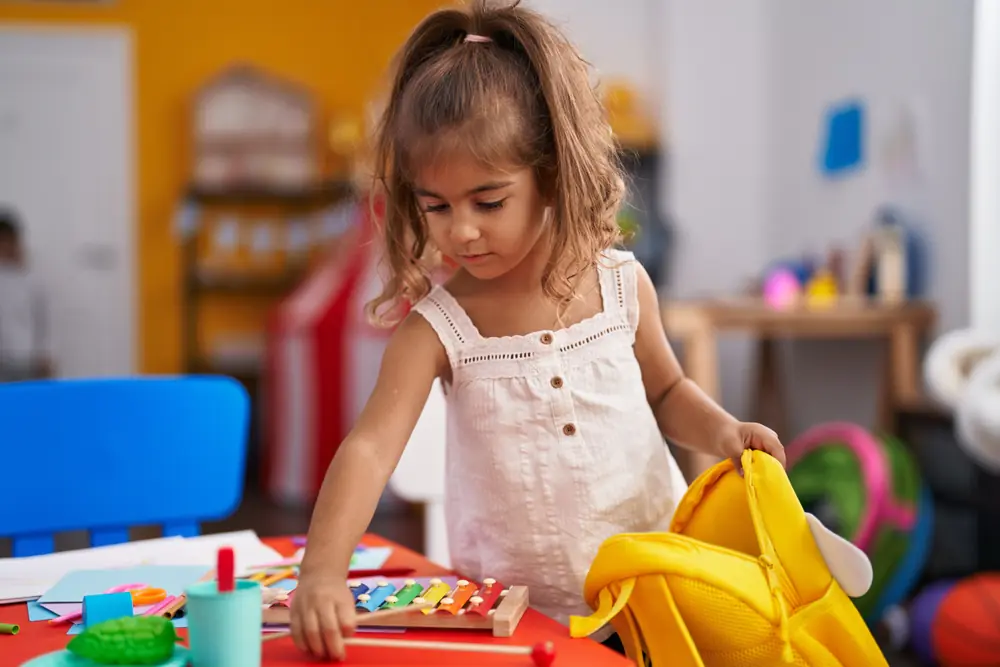
There is no “right” or “wrong” in art. When children paint, color, or build something with their hands, they gain confidence in their creativity.
Teachers encourage effort, not perfection—helping children feel proud of what they create.
Result: “I can do this” mindset develops.
3. Role Play & Storytelling Boost Voice & Expression
Pretend play, storytelling, and small role-plays allow children to speak, act, and imagine freely. Even quiet children slowly open up when given a safe space.
Result: Improved communication and emotional expression.
4. Routine-Based Activities Create Emotional Security
Predictable routines—snack time, play time, activity time—make children feel safe. When children know what comes next, their anxiety reduces.
Result: Confidence grows from emotional stability.
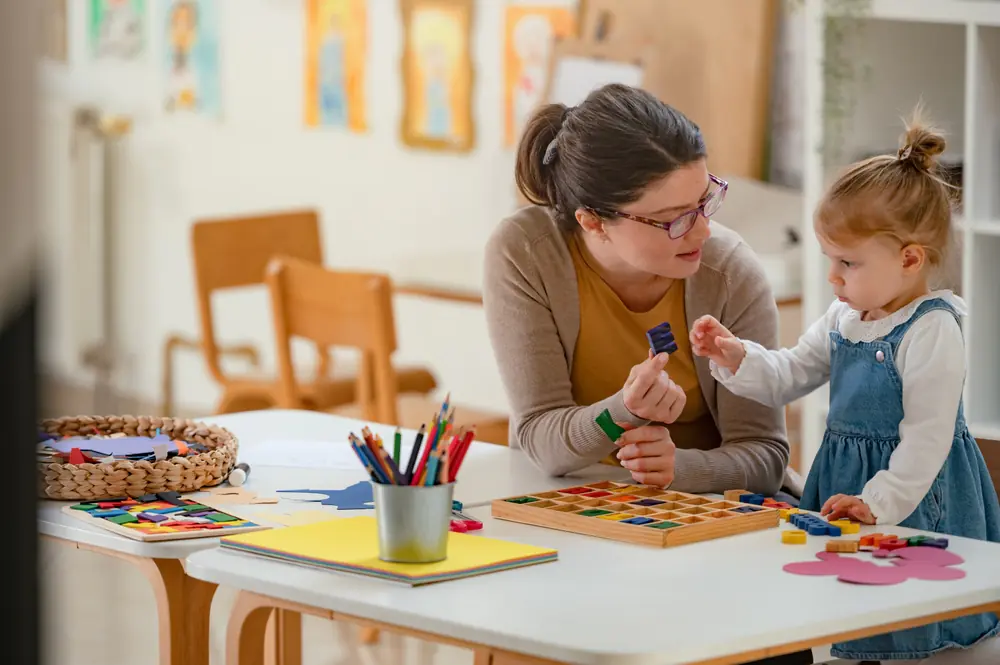
5. Gentle Teacher Support Makes All the Difference
At Duscha Preschool, teachers never force participation. Instead, they:
- Encourage gently
- Celebrate small efforts
- Guide children at their own pace
This nurturing approach helps children try again without fear of failure.
Result: Confidence builds naturally, without pressure.
How This Confidence Shows at Home
Parents often notice:
- Children speaking more clearly
- Less hesitation in social gatherings
- Better independence in daily tasks
- Improved emotional regulation
Preschool confidence doesn’t stay in school—it reflects everywhere.
🌱 Why Choosing the Right Preschool Matters
Not all preschools focus on emotional development. Activity-based, child-centric learning environments help children feel valued, capable, and confident—qualities that last a lifetime.