Dear parent,
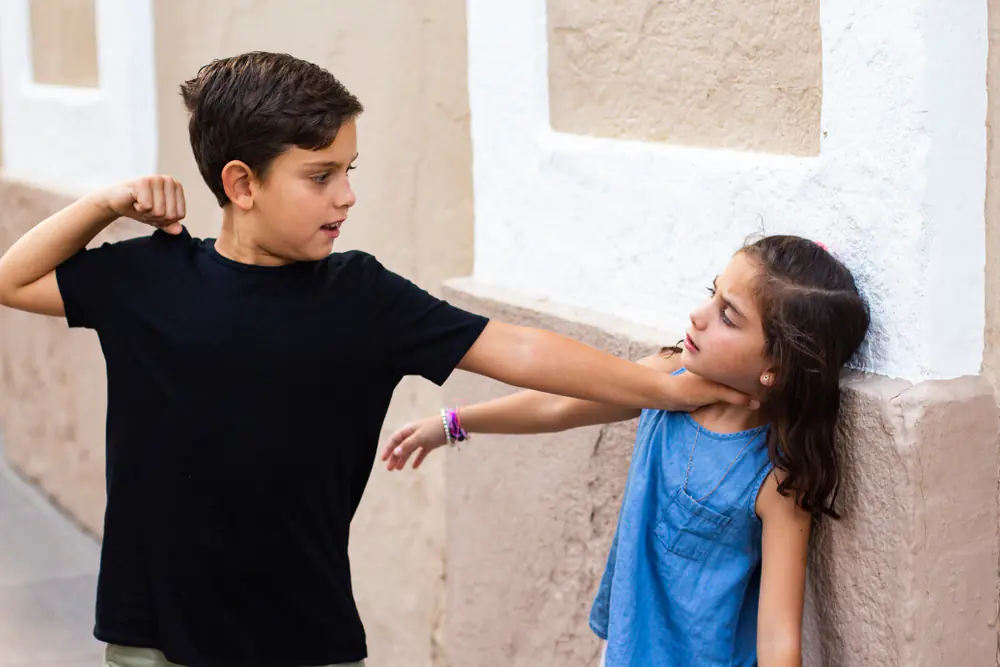
If your child has ever hit another child at a birthday party, in the park, or even at preschool—you’ve probably felt shocked, embarrassed, or worried. You might have thought:
“Why is my child doing this? Is something wrong with them… or with my parenting?”
First, inhale… exhale. 💛
Let’s start with an important truth: in early childhood, hitting is common—but it’s not something to ignore. It’s a signal, not a label.
Why Young Children Hit
For toddlers and preschoolers, hitting is often not “meanness” — it’s big emotions in a small body.
Children may hit when:
They feel frustrated but don’t have the words yet
They want a toy and don’t know how to ask
They feel overwhelmed, scared, or overstimulated
They are copying what they’ve seen somewhere (TV, older kids, adults)
So yes, it can be normal for the age—but it’s also our cue to guide them.
Stay Calm (Even if You’re Embarrassed)
When your child hits, your first instinct might be to shout, threaten, or punish. But in that moment, your child’s brain is already overwhelmed.
When adults explode, kids learn: “When I’m upset, I should also react loudly or harshly.”
Instead, try:
Move closer
Hold their hand gently
In a firm but calm voice:
“We don’t hit. Hitting hurts.”
This shows them safe boundaries without fear.
Name the Feeling Behind the Hit
Children need help connecting: feeling → action → consequence.
You can say:
“You were angry because he took your block.”
“You were upset because she didn’t share.”
Then follow with:
“It’s okay to feel angry. It’s not okay to hit.”
This teaches them: your feelings are valid, your actions need guidance.
Show What They Can Do Instead
At Duscha and at home, kids need replacement actions, not just “don’t do this.”
You can guide them to:
Use words:
“Say: ‘I don’t like that.’”
Call an adult:
“Next time, come to Mama or Teacher.”
Use hands for help, not hurt:
“Hands are for helping, not hurting. Let’s help put the blocks back.”
When we repeatedly show “what to do instead,” behaviour slowly changes.
How Duscha Teachers Handle Hitting in Class
At Duscha Preschool, we know hitting can happen in groups of young children. Our response is always calm and respectful—no shaming, no labels like “bad boy/girl.”
Here’s what we usually do:
Separate gently: Ensure both children are safe.
Comfort the hurt child: “Are you okay? I’m here.”
Talk to the child who hit quietly:
“You pushed/hit. That hurt your friend. We don’t hit.”
Guide repair:
“Would you like to say sorry, give a hug, or help your friend?”
Over time, children at Duscha learn to:
Express feelings with words
Understand others’ pain
Take responsibility in a gentle way
Final Note: Your Child Is Not “Bad”
Children are learning how to be human. Hitting doesn’t define them—it just tells us they need support with emotions and boundaries.
At Duscha Preschool, we partner with parents to shape these behaviours with:
Gentle correction
Clear rules
Lots of love and patience
If you’d like to know more about how we handle social and emotional skills at Duscha, we’d be happy to meet you.