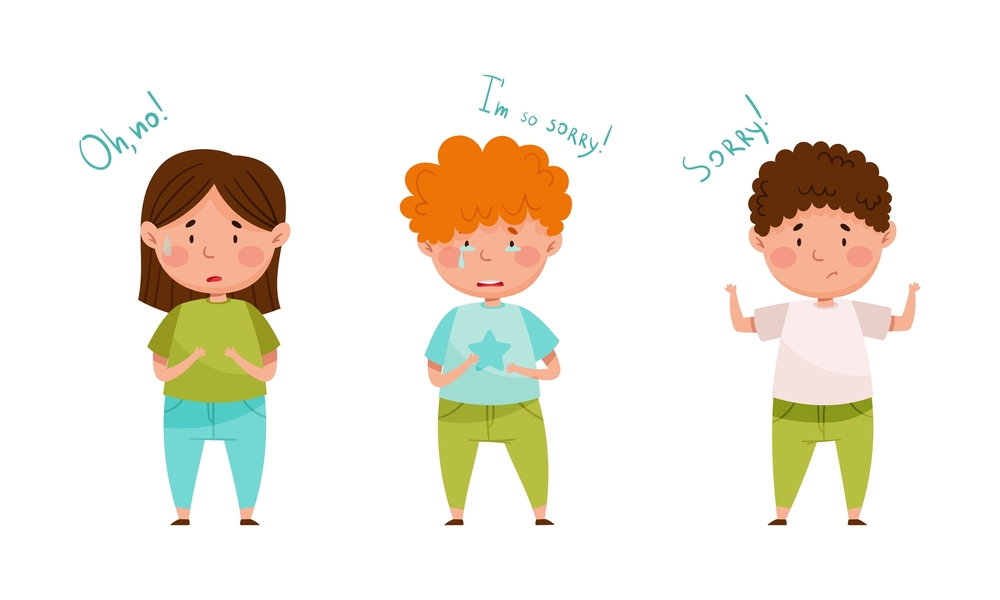
If your child has ever pushed another child, snatched a toy, or shouted—and then refused to say “sorry”—you’ve probably felt upset, worried, or even embarrassed. You might have wondered:
“Why won’t my child just say sorry?”
First, take a deep breath. This is very normal. Learning to apologise is not just about saying a word. It’s about understanding feelings, and that takes time.
Understand That ‘Sorry’ Is a Big Word for Little Hearts
For adults, “sorry” is simple. For kids, it means:
I did something wrong
Someone else got hurt or upset
I should fix it
That’s a lot for a 3- or 4-year-old. So if they resist, it doesn’t mean they’re “bad.” It just means they’re still learning.
Instead of forcing the word, focus on teaching them to recognise feelings:
You can say things like:
“Look, she is crying because the toy was snatched.”
“You pushed him, and now he is hurt and sad.”
Once they see the effect, “sorry” makes more sense.
Model the Behaviour You Want
Children copy what they see, not what they are told. If you want your child to say sorry, let them hear you say it too.
You can say:
“I’m sorry, I raised my voice. I was tired, but that’s not okay. I still love you.”
This shows them that sorry is not weakness, it’s kindness.
Teach Simple, Real Apologies
At Duscha and at home, you can guide your child step-by-step:
Notice the hurt – “See, your friend is sad.”
Name the feeling – “He is sad because the block hit him.”
Offer a choice – “Would you like to say sorry, give a hug, or help him with the toy?”
This way, “sorry” is not just a forced word, but part of a caring action.
How Duscha Teachers Practise ‘Sorry’ in Class
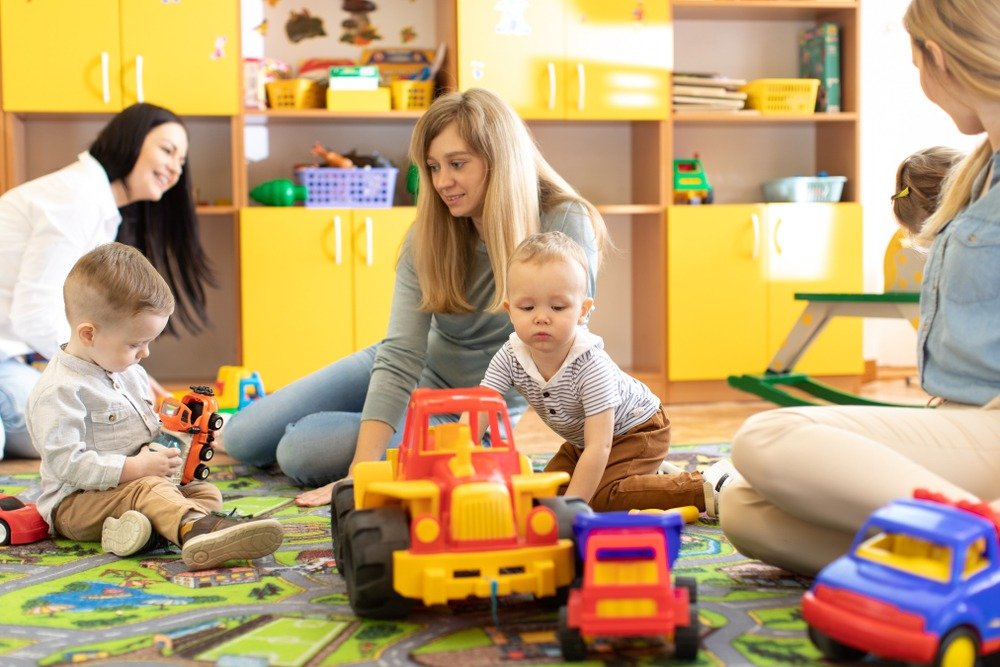
At Duscha Preschool, we don’t shame children for mistakes. Instead, we use them as small teaching moments.
If a child hits or pushes, teachers calmly separate them for a moment.
We talk to the child in simple words:
“You wanted the toy, so you pushed. Pushing hurts. Next time, we can ask.”
Then, we gently guide:
“Would you like to say sorry or help your friend?”
We also praise sincere efforts:
“That was kind of you to say sorry and give the toy back.”
Over time, kids start to connect actions + feelings + repair. That’s when “sorry” becomes real.
👉 If you love this approach, you’ll love how we handle social skills and emotions at Duscha. You can read more about our teaching style on our Duscha
Avoid Forcing or Shaming
When we say, “Say sorry right now or else…” the child may say the word—but feel anger, fear, or shame. That doesn’t build empathy.
Instead:
Stay calm
Explain clearly
Give space and time
Come back to the situation if needed
Sometimes it’s okay if the sorry comes later, once your child has cooled down.
Celebrate Small Steps
If your child simply pats a friend, offers a toy, or whispers a shy “sorry,” celebrate it. These are big emotional wins.
You can say:
“I’m proud of you for making your friend feel better.”
Positive reinforcement makes them more likely to apologise next time.
Final Thought: It’s a Journey, Not a One-Day Lesson
Teaching your child to say “sorry” and mean it is not about perfection. It’s about guiding them gently, over time, with love and patience.
At Duscha Preschool, we walk this journey with you.
We help children:
Understand feelings
Build empathy
Practise real apologies
Grow into kind, thoughtful individuals
If you’d like your child to learn these values in a warm, playful environment, we’d love to welcome you to Duscha.